$58.49
$80.13
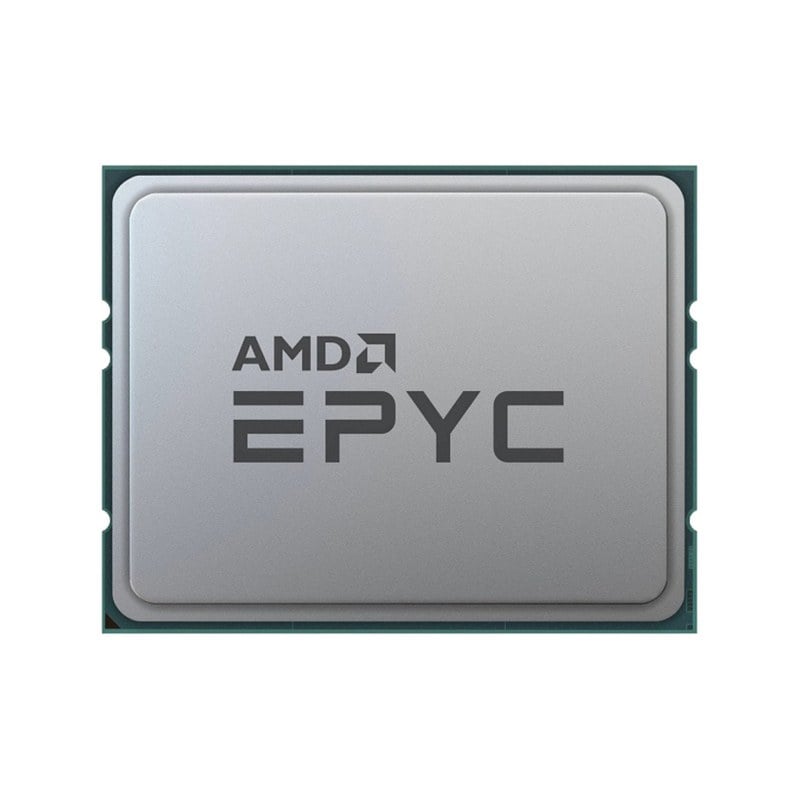
Description Product Details of the AMD 32 Core Processor In the dynamic world of computer hardware, processors play a pivotal role in determining the performance of a system. One such powerhouse in the market is the AMD 100-000001133 EPYC 32-Core Processor. In this detailed exploration, we will delve into the intricacies of this processor, understanding its specifications, capabilities, and how it contributes to an enhanced computing experience. AMD EPYC Processors AMD’s EPYC processors have gained significant traction in the industry, known for their robust performance and advanced features. The 100-000001133 model, in particular, stands out with its impressive 32-core configuration, boasting a clock speed of 2.65GHz and a massive 128MB L3 cache. Understanding Processor CoresSignificance of Core Count The EPYC 32-Core Processor’s notable feature is its extensive core count. Cores are individual processing units within a CPU, and the higher the count, the more tasks a processor can handle simultaneously. This capability is crucial for multitasking, parallel processing, and overall system responsiveness. Multithreading Technology Modern processors often employ multithreading technology, allowing each core to execute multiple threads concurrently. This enhances the processor’s efficiency in handling numerous tasks, making it suitable for demanding workloads such as data-intensive applications and virtualization. Clock Speed and its ImpactClock Speed Defined Clock speed, measured in gigahertz (GHz), represents how quickly a processor can execute instructions. The AMD 100-000001133 EPYC Processor operates at an impressive 2.65GHz, showcasing its ability to swiftly process tasks. Balancing Act: Cores vs. Clock Speed While core count is crucial, a balance between core count and clock speed is essential. Higher clock speeds generally result in faster task execution, making the processor suitable for applications that benefit from quick calculations and responsiveness. L3 Cache: The Brain’s Quick StorageL3 Cache L3 cache, or Level 3 cache, serves as a high-speed storage area for frequently accessed data. In the case of the AMD 100-000001133 EPYC Processor, its generous 128MB L3 cache enhances data retrieval speeds, reducing latency and contributing to overall system performance. Role in Performance Enhancement The L3 cache acts as a bridge between the processor cores and the system’s memory. By storing frequently used data close to the cores, it minimizes the time the processor spends waiting for data, resulting in improved efficiency and faster task execution. Architecture Insights Zen Architecture The EPYC 32-core Processor is built on AMD’s Zen architecture, a cutting-edge design that optimizes performance and power efficiency. The Zen architecture incorporates features such as simultaneous multithreading (SMT), precision boost, and improved cache structures, contributing to the processor’s overall capabilities. Precision Boost Technology Precision Boost dynamically adjusts the processor’s clock speed based on the workload, ensuring optimal performance for various tasks. This technology allows the AMD 100-000001133 EPYC Processor to adapt to the demands of different applications, providing an efficient and responsive computing experience. Application Scenarios Data Centers and Servers The EPYC 32-Core Processor is well-suited for data center and server environments where high-performance computing is critical. Its combination of core count, clock speed, and L3 cache makes it capable of handling demanding workloads, including virtualization, data analytics, and cloud computing. Workstations and Content Creation For workstations and content creation tasks, the processor’s high core count is beneficial for rendering, video editing, and 3D modeling. The ample L3 cache contributes to smooth data handling, ensuring a seamless experience for professionals in creative industries. System Compatibility Socket Compatibility The AMD 100-000001133 EPYC Processor is designed to fit specific CPU sockets. System builders and users must ensure that their motherboards support the processor’s socket type to guarantee compatibility and optimal performance. Memory Compatibility Understanding the processor’s memory specifications is crucial for system configuration. The EPYC 32-Core Processor supports certain types of DDR4 memory, and users should adhere to recommended memory configurations for optimal performance. TDP (Thermal Design Power) Thermal Design Power (TDP) represents the maximum amount of heat a processor can generate under normal operation. The TDP of the AMD 100-000001133 EPYC Processor is a key consideration for system builders, influencing the choice of cooling solutions and ensuring stable operation. Power Efficiency in Data Centers For data center deployments, power efficiency is a critical factor. The EPYC Processor’s balance of performance and power efficiency makes it an attractive choice for organizations seeking to optimize their data center infrastructure. General Information about the AMD 100-000001133 Manufacturer: AMD Model Number or SKU# 100-000001133 Product Type: Server Processor Technical Information Processor Core: 32 cores Clock Speed: 2.65 GHz Max Boost Clock: Up to 3.0 GHz Cache Memory Details L3 Cache: 128 MB Max Thermal Design Power (TDP): 180W Compatible Processor Socket: SP6 Finally, the AMD 100-000001133 EPYC 32 Core Processor stands as a formidable contender in the world of high-performance computing. With its 32 cores, 2.65GHz clock speed, and expansive 128MB L3 Cache, it caters to the needs of professionals, enterprises, and gamers alike. The processor’s advanced features, scalability, and industry support make it a compelling choice for those seeking a powerful and future-proof computing solution. Whether you’re tackling complex simulations, running virtualized environments, or immersing yourself in the latest games, the AMD 100-000001133 EPYC processor delivers the performance and reliability that modern computing demands.
Others